Alpine Lodges Rooted in Place

Join us as we explore Vernacular Mountain Architecture: Building Sustainable Alpine Lodges with Local Materials, celebrating shelters that grow from their valleys like pines from granite. We’ll follow stone masons, foresters, and carpenters, tracing decisions that balance carbon, craft, comfort, and weather. Expect practical insights, historical anecdotes, and field-tested details you can adapt on your own projects. Share your experiences, ask questions, and subscribe for future journeys into high-altitude design grounded in respect for landscape, climate, and community.

Roots in Rock and Timber

Reading the Slope: Site and Aspect
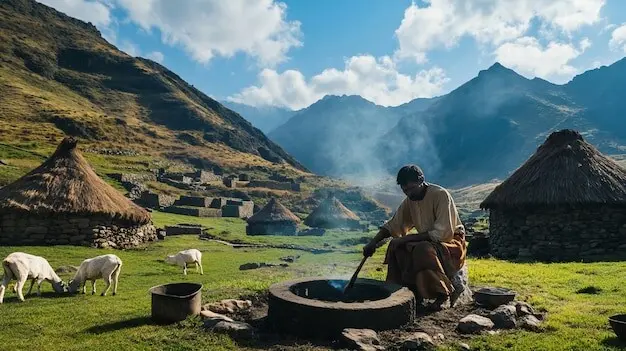
Orientation decides warmth, safety, and delight at altitude. South and southeast aspects harvest winter sun, while deep eaves tame summer glare. Wind patterns guide entries and chimney placement; avalanche paths dictate setbacks and reinforced walls. We share siting checklists, sun-path sketches, and a story of a ridge hut saved by a carefully angled gable during a notorious Föhn storm.

Material Palette from the Valley

Choosing wood and stone is never merely aesthetic. Larch resists rot for exposed cladding and shingles; spruce excels as structural framing; dense alpine granite anchors terraces and steps. Locally slaked lime allows walls to breathe, while clay plasters regulate humidity. We compare sourcing radii, sawmill grading quirks, and sample details showing why a humble, well-selected board outperforms exotic imports in harsh mountain cycles.

Lessons from Centuries-Old Farmsteads

Historic barns in Valais and Walser houses balanced stone bases with lifted timber living levels to dodge snow rot and flood splashback. From dovetailed corners to projecting balconies, every gesture served function first. We visit a seventeenth-century grange, note repair strategies that kept character intact, and translate those principles into contemporary details compliant with today’s codes and insulation demands.

Designing for Snow, Wind, and Time

In high valleys, roofs and walls are negotiators between sky and hearth. Snow loads demand steep pitches or guarded flat roofs; drifts push against dormers; winds test fasteners and ridge caps. Detailing becomes storytelling: generous eaves, sacrificial weathering layers, protected joints, and gutters routed for icicle management. We map standards, share field failures, and propose fixes that let buildings endure blizzards, thaws, and decades of freeze–thaw cycles without drama.

Low-Carbon Craft Without Compromise

Embodied impacts in remote places add up quickly, because every kilogram must climb. Choosing regional timber, reusing stone, and specifying lime over cement can slash carbon while improving repairability. We unpack life-cycle assessments, transport scenarios by cableway and sled, and pricing realities. With careful detailing, the most frugal decisions often produce the richest atmospheres, inviting visitors to feel care, not austerity, the instant they cross the threshold.

Counting What Matters: Embodied Impacts

Rather than treat numbers as scolds, we present them as compasses. Environmental Product Declarations reveal where to spend carbon wisely: fiber insulation over petrochemicals, timber slabs over concrete where spans allow, dry assemblies rather than wet. Real project snapshots translate spreadsheets into sketches, empowering conversations with clients who value longevity, beauty, and responsibility in equal, mutually reinforcing measures.

Circular Details and Reuse

Bolted connections simplify disassembly, lime mortars welcome reversal, and modular dimensions reduce offcuts that never needed to exist. We showcase reclaimed rafters reborn as benches, window shutters planed into stair treads, and stone offcuts stacked into thermal benches. These quiet decisions turn construction into stewardship, teaching guests that hospitality can include generous resourcefulness as part of the welcome.

Craftsmanship and Community

Architecture at altitude thrives when hands, stories, and meals are shared. Local guilds carry knowledge of knots, cures, and weather signs, while new tools expand precision without erasing soul. We highlight apprenticeships, women-led cooperatives, and evening workshops where guests learn to plane, sharpen, and point. Participation deepens care, reduces mistakes, and turns each project into a celebration of belonging.

Timber Joints That Tell Stories

Scribe-rule frames trace the irregularity of mountain logs, while scarf joints and housed dovetails lock beams without steel. We recount a barn-raising where neighbors lifted a ridge in snowfall, and document jig setups that let small teams achieve mill-quality fits with portable tools, preserving tactile richness that machine perfection too often polishes away.

Stonework with Memory

Dry-laid walls flex through seasons, their coursing shaped by the quarry’s moods. We share profiles of a mason who reads rock like script, a lime-burner reviving a dormant kiln, and detailing for seating ledges that warm in sun, cool in shade, and guide guests along paths with subtle, reassuring confidence.
Comfort at Altitude

True hospitality blends warmth, quiet, health, and delight. Material warmth from timber and stone partners with measured daylight, low-toxicity finishes, and fresh air strategies that mimic mountain breezes. We discuss acoustics in timber rooms, the softness of lime paint at dusk, and how carefully framed horizons transform a silent breakfast into a daily ceremony of gratitude.

Building in Sensitive Landscapes

Alpine construction must tread lightly, honoring flora, fauna, and neighbors downstream. Logistics shape design as much as aesthetics: cable cranes, pack animals, snow tracks, and prefabricated panels minimize disturbance. We outline erosion controls, silent work protocols during nesting seasons, and agreements with farmers. Thoughtful planning transforms constraints into care, leaving hillsides steadier than we found them.
Kavivarozorikiralentopentoloro
Privacy Overview

This website uses cookies so that we can provide you with the best user experience possible. Cookie information is stored in your browser and performs functions such as recognising you when you return to our website and helping our team to understand which sections of the website you find most interesting and useful.